

When looking at a face, the most commonly noticed features include the eyes, the lips, and even the cheekbones. People seldom compliment your nose but nobody realizes the impact your nose can have on your appearance.
Different nose types define different personalities. So it’s important to recognize the shape of your nose and acknowledge the role it plays in your overall demeanor.
One of the desirable nose shapes includes the convex nose. Let’s discuss the convex nose shape, its associated personality traits, and how to determine if it’s your nose type.
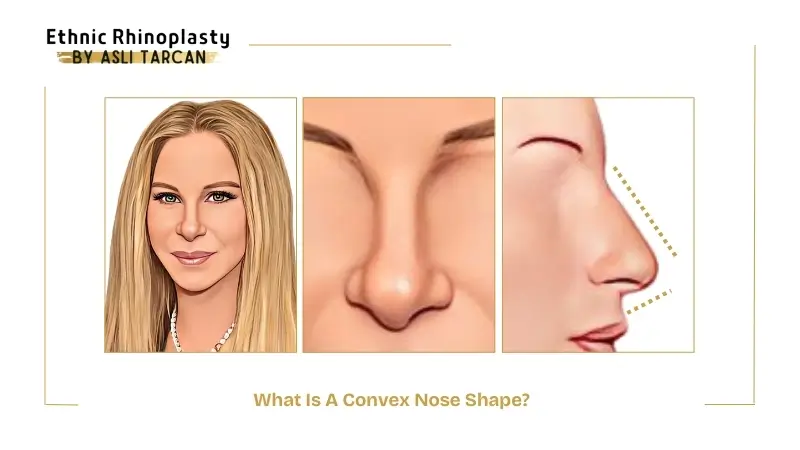
A convex nose is defined as a nose shape with a large curve in the middle, often having a slight indentation at the base or the tip.
Convex Nose Shape Features
Here are some of the convex nose shape distinctive features:
- Prominent Nasal Bridge:- A prominent nasal bridge, containing a slight bump or a pit which can be easily spotted on the nasal profile.
- Perfect Outline of Tip:- The nasal tip has well-defined outlines which might be a tad protuberant, adding to the prominence of the nose.
- Downward Slope:- Convex nose type usually slopes in a downward manner so that the appendage appears elongated.
Alternate Names For Convex Noses
Alternate names for convex noses include “Roman” and “Aquiline” noses. The word “Aquiline” nose derived from the Latin word “aquilinus” translating into “eagle-like” which is an allusion to its outward curved appearance.
The Convex Nose – Leaders & Trendsetters
People with Roman noses have striking personalities, high ambitions and excellent leadership qualities. They are known for reaching their goals despite challenges.
In fact, they thrive in daring situations and exudate strength, resilience, and power. Those with convex noses are influential and know how to get their opinions heard in a crowd.
They tend to be rebellious and are not afraid to stand apart from the majority. You can say that they are the trendsetters, not trend followers.

Convex Nose Shapes – Cultural & Historical Associations

Named after the Romans, the “Roman Nose” is derived from its association with ancient Roman sculptures and portraits. It is usually depicted in prominent figures such as emperors and statesmen.
Historically, this nose type is considered a symbol of strength, power, and influence. People with such noses were considered to be leaders, believed to be from noble lineages, and praised as racially or ethnically superior.
Historically acclaimed figures such as Julius Caesar, George Washington, and Napoleon Bonaparte, have been known to possess the convex nose. This further fortified the belief that such genetics were associated with great leadership skills.
How Does A Convex Nose Affect Bone Harmony?
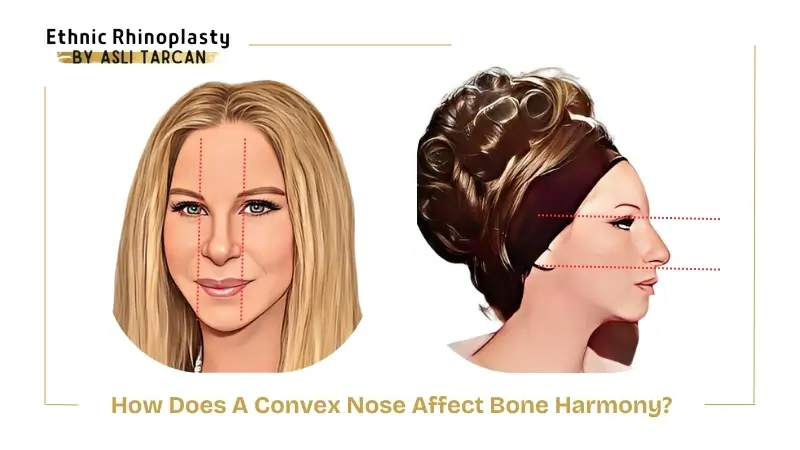
Facial harmony refers to the perfect balance and proportion of all the features on a face including the eyes, nose, cheeks, chin, and lips. Since the nose is the central part of the face, it plays a crucial role in maintaining facial bone harmony.
Convex nose shapes, while bold, can disrupt the facial aesthetics. This is especially true if the nose is too elongated with respect to other facial features.
Furthermore, the prominence of a convex nasal bridge can draw excessive attention, overshadowing other features and sparking self-consciousness.
In the opinion of some people, convex noses can appear crooked and thus deviated, worsening facial symmetry.
Frequently Asked Questions
How do you fix a convex nose?
The most effective solution is to get a surgical procedure known as the rhinoplasty which realigns the bone structure and cartilage of the nose to achieve a desirable result.
How can one determine if they have a convex nose shape?
A convex nose shape can be recognized by its prominent nasal bridge, outward curve, downward sloping, and bulbous nasal tip.
Can nasal exercises help straighten my convex nose?
While considered effective by many, nasal exercises rarely affect the nose shape. They should be avoided to prevent nasal trauma and negative psychological impact.