
Ethnic Rhinoplasty Turkey
Ethnic rhinoplasty Turkey, also known as cultural nose reshaping, is a specialized surgical procedure in Turkey tailored to preserve and enhance the unique nasal characteristics of individuals from diverse ethnic backgrounds.

Wondering how to enhance your nasal appearance without losing your unique ethnic features? we as Ethnic Rhinoplasty in Turkey offer the perfect solution by refining the nose while preserving the natural characteristics that define your identity. With world-renowned surgeons and affordable care, Turkey has become the go-to destination for patients seeking subtle, culturally respectful transformations.
Whether you are of African, Asian, Hispanic, Middle Eastern, or any other ethnic descent, ethnic rhinoplasty techniques can help refine your nose while maintaining cultural identity.
What is Ethnic Rhinoplasty?
Ethnic rhinoplasty is nose-reshaping surgery that enhances form and function while preserving the patient’s distinctive ethnic features rather than erasing them.
What Makes It Different?
Traditional rhinoplasty often followed a single “Caucasian” aesthetic ideal. Ethnic rhinoplasty, by contrast, adjusts the surgical plan to anatomical traits common in African-American, Asian, Middle-Eastern, Latino and mixed-heritage noses, thicker skin, weaker cartilage, a low dorsum or a wide nasal base. Surgeons may graft cartilage to build height, refine the tip without over-resecting, or subtly narrow nostrils, always aiming for balance with the eyes, lips and face shape.
Key Techniques
| Challenge | Tailored Solution |
|---|---|
| Low nasal bridge (many Asian noses) | Septal or ear-cartilage graft to raise dorsum |
| Wide alar base (African-American, Latino) | Conservative alar base reduction, hidden scars |
| Thick sebaceous skin | Defatting plus structural grafts to project the tip |
| Pronounced dorsal hump (Middle-Eastern) | Hump reduction plus spreader grafts to maintain airway |

Traditional vs Ethnic Rhinoplasty
Traditional rhinoplasty generally aims for a standardized, westernized nasal aesthetics, whereas, ethnic rhinoplasty brings diverse nasal features into account depending on particular ethnic group.
Further, surgeons performing an ethnic procedure should possess an in depth understanding of the anatomical nuances and variations attributed to concerned ethnicity.
This leads to making a careful assessment and planning, which is not the case with traditional surgery. Since the objective is to deliver a balanced and harmonious nose that maintains cultural identity while complementing the patient’s facial features.
Moreover, traditional rhinoplasty uses techniques such as reduction rhinoplasty, tip refinement. Whereas, ethnic rhinoplasty focuses on Preservation of nasal width and bridge, and augmentation of nasal bridge.

Detailed Overview of Ethnic Diversity in Rhinoplasty
The anatomical structures and aesthetic needs of people with diverse ethnic characteristics vary significantly. Common candidates for ethnic rhinoplasty include those seeking African-American (Black nose job) and Asian rhinoplasty. In Turkey, ethnic rhinoplasty is available for people from Middle Eastern, Indian, and Hispanic backgrounds with unique nasal structures.
See our detailed guide on nose types by ethnicity to better understand the unique features of different noses.
- For example, Western European (Caucasian) noses usually require reduction surgery and correction of nasal bridge protrusions, while African-American and some Asian noses often need augmentation techniques such as increasing projection and filling nasal bone depressions.
How Ethnicity Affects Nasal Structures
Ethnicity can significantly impact nasal structures. For instance, individuals of African, Asian, and Middle Eastern descent often have wider nasal bones and thicker skin, which can make certain cosmetic changes more challenging.
In contrast, patients of European descent typically have narrower nasal bones and thinner skin, allowing for more subtle changes. Understanding these differences is essential for creating natural-looking results.
Caucasian noses are different from noses in other regions in more ways than just cartilage and nasal bone height. Skin thickness and elasticity also vary, necessitating a customized approach for each ethnic group. Hence, it would be inappropriate to apply a uniform rhinoplasty technique to all ethnicities.

Ethnic Nose Job Procedure Details
Here are the detailed steps of the procedure:
How Ethnic Rhinoplasty is Performed
Ethnic rhinoplasty is performed using advanced techniques and technology
Doctors in Turkey and at the Asli Tarcan clinic specialize in nose surgeries that enhance specific ethnic features. They use techniques that promote faster healing. The surgery can use either an open or closed approach, depending on the modifications needed. Key steps involved in the procedure include:
- Initial Consultation: The patient discusses goals with the surgeon to plan the surgery.
- Anesthesia: The surgeon administers general anesthesia for patient comfort.
- Incision: Incisions are made inside the nostrils (closed rhinoplasty) or across the columella (open rhinoplasty).
- Reshaping: Our experienced surgeon carefully reshapes the nasal bones and cartilage to achieve the desired contour while preserving ethnic characteristics.
- Closure: Surgeons close the incisions and apply a nasal splint to support the new shape during the initial healing phase.


Technological Advances in Ethnic Rhinoplasty
Modern techniques such as ultrasonic devices and fibrin are used to enhance the precision and longevity of the results. Ultrasonic methods (Piezo and Micro Motors) provide more accurate bone shaping, while fibrin can increase the longevity of small cartilage grafts placed in the nasal root and tips.
How to Find the Best Ethnic Rhinoplasty Surgeon in Turkey
The top most ingredient for handling ethnic rhinoplasty in Turkey is the experience. You can check qualifications, training and board certifications can help you give an idea about surgeon’s expertise.
Following are the steps that you should check before choosing an Ethnic rhinoplasty surgeon for your surgery:
1 – Before and after results
Check out the results of previous patients to get an idea of the surgeon’s skills and what kind of results you can expect.


2 – Check Testimonials
Review testimonials from previous patients. This ensures you gain insights into the clinic’s track record and the surgeon’s skill.
3 – Verify Board Certification and Experience
Ensure the surgeon is board-certified possesses extensive experience in performing ethnic rhinoplasty surgeries in Turkey and has a good reputation in the medical community. This guarantees professional expertise and quality care.

4 – Clinic and Team
Excellent Ethnic Nose job results are essentially the effort of a team other than a surgeon. The quality and experience of the team do matter including the anesthesiologists and the facility where the surgeon does the procedure. In this case, rest assured as Asli Tarcan Clinic is well-known for its state-of-the-art machinery, experienced staff, and focus on patient satisfaction.
Keep in mind that before making your final decision make sure that you have done good research for your ethnic nose Job and directed yourself for the best results
Start your journey to ethnic rhinoplasty by scheduling an online appointment with our experienced medical consultants. They will give you detailed information about the procedure and answer any questions you may have.

5 – Receive Pre-Operation Recommendations
Prepare effectively for surgery by following pre-operation recommendations provided by our experienced ethnic rhinoplasty surgeon and medical consultants. These guidelines optimize your preparation and health for the procedure.
Our surgeons will guide you with diet and other exercises that will support the procedure. Here are general guidelines to follow before going in for ethnic rhinoplasty.
- Avoid beverages containing salicylic acid (green tea)
- Quit smoking
- Limit alcohol consumption
- Discontinue vitamin and herbal supplements (e.g., vitamin E, ginkgo biloba)
- Reduce salt intake to minimize swelling
- Begin using antibacterial soap
- Wash your face twice daily
Recovery and Aftercare
Although ethnic rhinoplasty is a major surgery, it takes time and effort to go through the recovery process. You can easily reduce recovery time by following guidelines.
Since we have the best rhinoplasty doctor in Turkey, it means you can quickly get back to routine with minimal effort. However, it is important to stay in contact with the surgeon to avoid any post-op complications and make the recovery process smooth.
General downtime of rhinoplasty is two weeks, therefore, to avoid strenuous activity, rest of the guidelines include the following. These steps can help you to get a significant change before and after the shape of your nose.
- Rest and relax
- Use splint or cast to support structure
- Avoid bending your head over
- Drink plenty of water
- Do not blow your nose or sneeze
- Avoid heavy lifting or exercise for up to six weeks
- Take walk to improve circulation
- Use cold compresses to reduce swelling
- Make follow up visits to keep track
The recovery process for ethnic rhinoplasty spans several weeks. Here is the breakdown what Patients can expect:
- Week 1: Significant swelling and bruising with a nasal splint in place.
- Week 2: Removal of the splint with most swelling and bruising subsiding.
- Weeks 3-6: Continued improvement in nasal shape and reduction in swelling.
- Months 3-12: Final results become more apparent as residual swelling diminishes.
Proper aftercare is crucial for optimal healing. Patients must follow aftercare instructions provided by the clinic and surgeon, including regular follow-up, nasal cleaning, and avoiding strenuous activities.
Why Asli Tarcan For Ethnic Rhinoplasty?
Patients pick Aslı Tarcan for ethnic rhinoplasty because her Istanbul-based team pairs deep anatomical know-how with a turnkey, five-star medical-tourism experience backed by high patient satisfaction.
Advantages
- Proven ethnic expertise – A dedicated “Ethnic-Rhinoplasty” sub-clinic showcases dozens of before-afters and explains tailored approaches for African-American, Asian and Middle-Eastern noses, reflecting Tarcan’s focus on preserving cultural identity rather than “westernising” features.
- High-volume, international practice – Since 2005 the clinic has treated 50 000+ patients from 50 countries, giving the surgical team rare familiarity with varied nasal anatomies and skin types.
- Full accreditations & safety – The facility in Zeytinburnu is accredited by the Turkish Ministry of Health and is a TURSAB-listed medical-tourism provider, ensuring strict hygiene and travel-service standards.
- All-inclusive comfort – VIP airport transfers, 5-star-hotel recovery, multilingual coordinators and 24-hour helplines let overseas patients focus on healing, not logistics.
- Solid reputation online – Trustpilot shows a 4.6/5 rating across 800+ reviews, with frequent praise for natural results and attentive after-care.
- Founder’s hands-on approach – Tarcan personally reviews cases and mentors surgeons, combining high-tech grafting (open, closed and thick-skin techniques) with compassionate follow-up.
Types of Ethnic Rhinoplasty
Ethnic rhinoplasty types fall into six broad categories, each addressing signature anatomical features while honoring cultural identity.
| Type | Typical Anatomy | Core Surgical Moves |
|---|---|---|
| African-American / Black Rhinoplasty | Thick skin, weak lower lateral cartilages, wide alar base | Tip-support grafts to project the nose, conservative alar-base reduction, minimal dorsal work to avoid an over-narrow bridge |
| Asian Augmentation Rhinoplasty | Low nasal dorsum, short columella, thick dermis | Septal, ear or rib-cartilage grafts—or a soft silicone implant—to build bridge height and lengthen the tip; sutures refine a rounded tip without over-resection |
| Middle-Eastern Rhinoplasty | Prominent dorsal hump, strong but sometimes deviated septum, thicker sebaceous skin | Precise hump reduction, spreader grafts to keep airways open, tip-support grafts for long-term definition under heavier skin |
| Latino / Hispanic Rhinoplasty | Moderate skin thickness, flared nostrils, broad dorsum | Alar-flare excision through hidden sill incisions, selective osteotomies to slim the bridge, shield grafts for tip refinement |
| South-Asian Rhinoplasty | High dorsal hump with thin skin, droopy or under-projected tip | Hump reduction combined with septal extension or strut grafts to rotate and support the tip; careful camouflage grafting keeps thin skin from showing irregularities |
| Mixed-Heritage / Hybrid Approach | Combination of traits from two or more backgrounds | Custom blend of the above techniques after 3-D imaging and morphing to predict balance with other facial features |


What is African American Rhinoplasty?
African American rhinoplasty is a specialized type of nose surgery designed to enhance the appearance of the nose while preserving the individual’s unique ethnic characteristics.
Unlike normal rhinoplasty, which may prioritize altering a nose to align with Western beauty ideals, African American rhinoplasty focuses on making subtle adjustments that maintain the natural essence of the patient’s facial features.
Common areas of concern for African American patients include wide nostrils, broad nasal tips, and wider nasal bridges. The procedure requires specialized expertise due to the distinct anatomical features often present in African American noses, such as thicker skin, delicate cartilage, and shorter nasal bones, as well as the potential for darker pigmentation to be more prone to scarring.
Our goal is to achieve a balanced and harmonious appearance that looks natural and enhances the patient’s confidence without making the nose appear overly altered or artificial.
Below are the examples of African American Noses:


What is Asian Rhinoplasty?
Asian rhinoplasty procedure is similar to those performed for other ethnicities, focusing on enhancing the nose’s appearance while preserving and respecting the individual’s natural ethnic features.
This type of surgery often focuses on the area between the bridge and the tip of the nose. Common goals include enlargement and lengthening the nose to balance facial proportions and improve the distance between the eyes.
This specialized surgery may also refine and define the nasal tip, which significantly impacts the overall shape and look of the nose.
One key aspect of Asian rhinoplasty is that it doesn’t follow a one-size-fits-all approach. The procedure is highly personalized, taking into account the patient’s specific facial structure and desired outcome.
For some, a less-defined, slightly rounded nasal tip might be ideal to maintain a natural and culturally representative appearance. The purpose is to enhance the nose in a way that complements the individual’s features and contributes to better facial harmony, making the face appear more balanced and attractive without losing its unique identity.
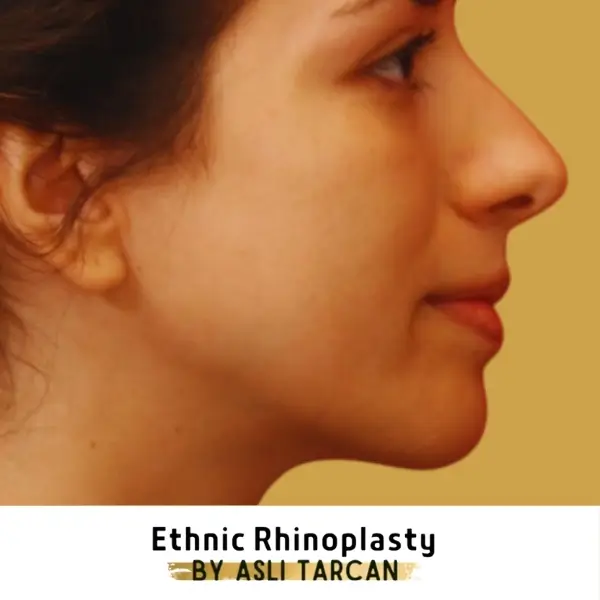
Below are the examples of Asian Noses:


What is Caucasian Rhinoplasty?
Caucasian rhinoplasty is a type of nasal surgery designed to reshape and enhance the appearance of the nose for individuals of Caucasian descent.
Primary goal of this procedure is to create a nose that is proportionate to the other facial features, resulting in a balanced and harmonious overall appearance.
Typically, this type of rhinoplasty involves reshaping the underlying nasal cartilage to achieve the desired contour, as many Caucasian patients have thicker cartilage and thinner skin, allowing the structural changes to be more visible and defined.
However, not all patients fall into this category, as some may have thicker skin and thinner cartilage, which can require techniques similar to those used in ethnic rhinoplasty to achieve the best results.
The term “Caucasian rhinoplasty” can be somewhat limited, as many people are biracial or multiracial and may have a mix of physical traits from different ethnic backgrounds.
While the general focus is often on reducing an overly large nose to create better proportion and symmetry, the approach must always be tailored to the individual’s unique facial structure and desired outcomes.
A successful Caucasian rhinoplasty should result in a nose that looks natural and enhances the eyes and other facial features, with subtle changes that make a significant difference.
Below are the examples of Caucasian Noses:


Is It Safe To Get Ethnic Rhinoplasty Turkey?
Ethnic rhinoplasty Turkey is generally safe when performed by qualified and experienced surgeons in accredited clinics. Turkey is renowned for excellence in medical tourism, offering state-of-the-art facilities and skilled professionals specializing in aesthetic procedures like rhinoplasty. To ensure safety, prospective patients should:
Research the credentials of the clinic and surgeon, verify their qualifications and experience, and consider reviews from previous patients. Conducting thorough consultations before the procedure helps clarify expectations and ensures personalized care plans, contributing to a safe and satisfactory experience.
Asli Tarcan Clinic recognized as a pioneer in the industry, maintains high standards of patient care and surgical expertise, ensuring a safe and satisfying experience for individuals seeking ethnic rhinoplasty in Turkey.
Cost of Ethnic Rhinoplasty Turkey 2026
Price of ethnic rhinoplasty depends on numerous factors, with surgeon cost becoming the top determinant.
The cost-effectiveness of ethnic rhinoplasty in Turkey attracts medical tourists. Prices typically range from 2.500$ to 10.000$, in our clinic, depending on the complexity of the surgery and the surgeon’s expertise. Without compromising quality, these costs are significantly lower than those in Western countries. For more information about the cost of an Ethnic Rhinoplasty in Turkey check our detailed guide.
Let’s have a look at the comparison of ethnic rhinoplasty cost in Turkey and other countries:
| Country | Estimated Cost Range |
|---|---|
| Turkey | $2,500 - $10,000 |
| USA | $8,000 - $18,000 |
| UK | £7,000 - £12,000 |
| Canada | $10,000 - $20,000 |
| Europe | $10,000 - $20,000 |

Results
Patients undergoing ethnic rhinoplasty in Turkey can expect natural-looking results that enhance facial harmony while maintaining their ethnic identity.
Turkey stands out for its expertise in ethnic rhinoplasty, offering cost-effective solutions, experienced surgeons, and excellent aftercare. Whether refining the shape of your nose or correcting previous surgical outcomes, Turkey provides a welcoming and professional environment to achieve your aesthetic goals.
Our Doctors

Dr. Bülent Çatıkkaş
Medical Aesthetic

Dr. Hüseyin Ertuğrul Asad
Medical Aesthetic
Frequently Asked Questions (FAQs)
How long does ethnic rhinoplasty last?
It depends on the nature and extent of your surgery. Generally, the process takes a few hours (2-4 hours). However, you will need a rest of several hours before resuming your daily routine.
Is rhinoplasty 100% safe?
Rhinoplasty is a safe procedure that has few complications. However, it does carry slight risks if proper care is taken post-op. Likewise, patients over 50, plastic surgeons need to take extra care while performing ethnic rhinoplasty
How painful is rhinoplasty?
Since patients are under anesthesia during the surgery, thus there is no pain associated with ethnic rhinoplasty. However, certain patients may face slight discomfort or pain after surgery.
Can a nose job fail?
Ethnic rhinoplasty in Istanbul has a very high success ratio. The failure ratio is only 5-10 percent, which is ignorable.
How many years does rhinoplasty last?
Ethnic rhinoplasty is a long lasting and a permanent procedure. Therefore, the results of this procedure will last for a lifetime. However, you may need a second rhinoplasty for cosmetic reasons to meet your expectations.
How long is the recovery period of ethnic rhinoplasty?
Recovery times can vary, but typically patients may experience swelling and bruising for the first 1-2 weeks. Full recovery to resume normal activities often takes several weeks to a few months, depending on individual healing factors and the extent of the procedure.
What are the risks associated with ethnic rhinoplasty surgery?
Like any surgical procedure, ethnic rhinoplasty carries potential risks such as infection, bleeding, and adverse reactions to anesthesia. Discussing these risks with your surgeon beforehand and following post-operative care instructions diligently to minimize complications and achieve optimal results is crucial
Why ethnic rhinoplasty is different?
Ethnic rhinoplasty differs because it reshapes the nose while safeguarding the patient’s unique ancestral features, not forcing a one-size-fits-all “Caucasian” ideal.
Most standard rhinoplasty textbooks were written around thin skin, strong cartilage and narrow nasal bases. Yet many African-American, Asian, Middle-Eastern or Latino noses present thicker skin, weaker tip support, wider nostrils or a low bridge.
Will ethnic rhinoplasty change my identity?
A well-planned procedure should enhance harmony while preserving recognizable features. The goal is refinement, not replacement.
Can thick skin still look defined?
Yes, but definition relies heavily on building an improved framework underneath. Results may appear more gradual as swelling resolves.
Is alar base reduction always necessary?
No. Many patients achieve balance without it. When it is needed, conservative adjustments often look most natural.
Can ethnic rhinoplasty improve breathing?
It can, especially when structural support and septal issues are addressed in the same plan.